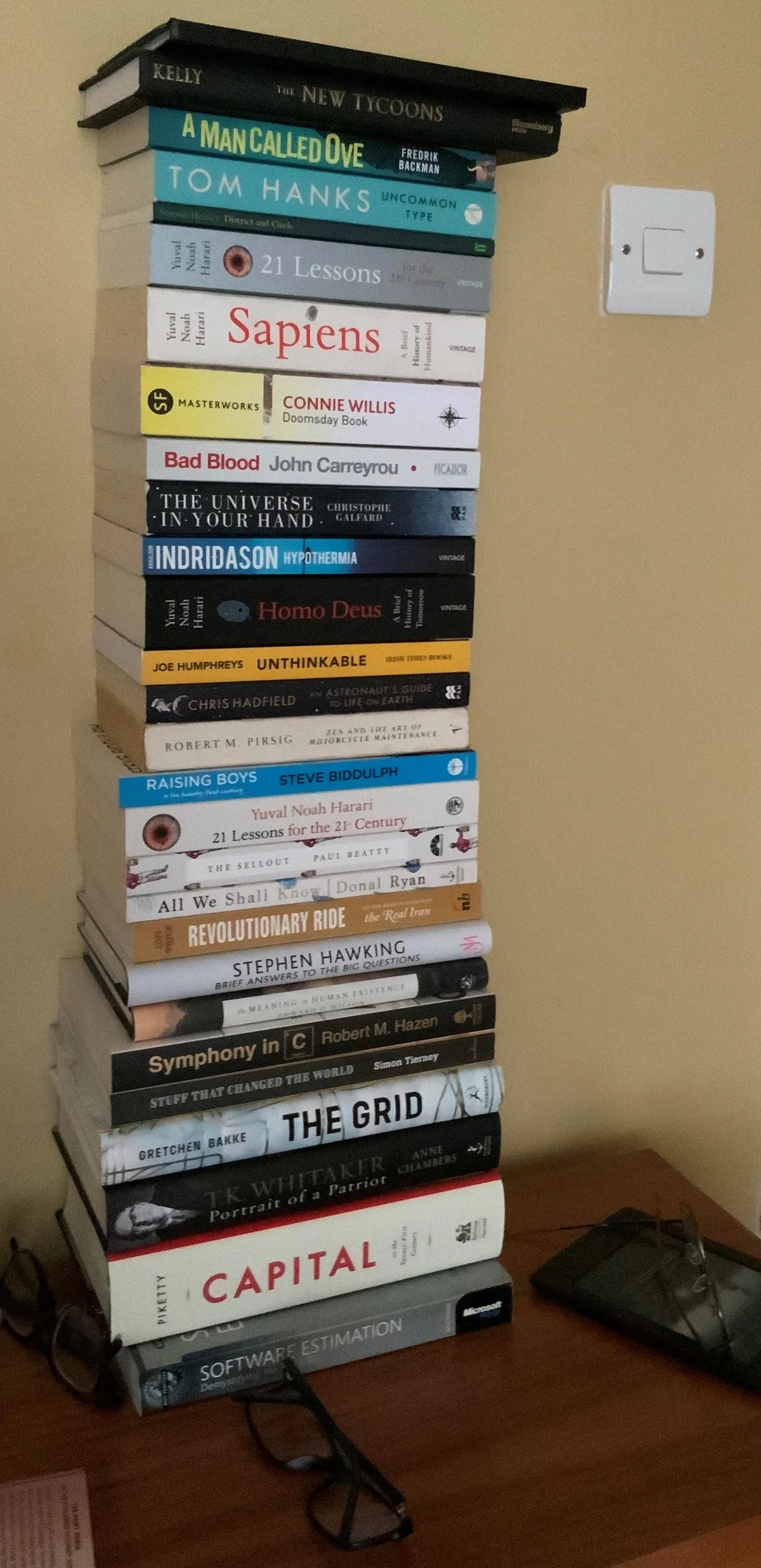
Turn any new paperback over and you will meet a chorus. Famous names insist the book is dazzling, gripping, unforgettable. Those quotes are blurbs, and they are not accidents. They are a small economy of favors with its own rules.
Knowing who writes jacket praise, and what it costs them, changes how you read it. It does not ruin the fun. It hands you the price list, and a careful reader shops wisely.
What a Blurb Actually Is
A blurb is a short promotional piece that travels with a creative work. It may be written by the author or the publisher, or it may quote praise from others. A book blurb can mix quotes from the text, plot summary, author biography, and claims about the book's importance. Blurbs began on the rear dust jacket, as Wikipedia's entry on the blurb recounts. Paperbacks spread them to both covers, and now they turn up across the web as well.
A Word Born as a Joke
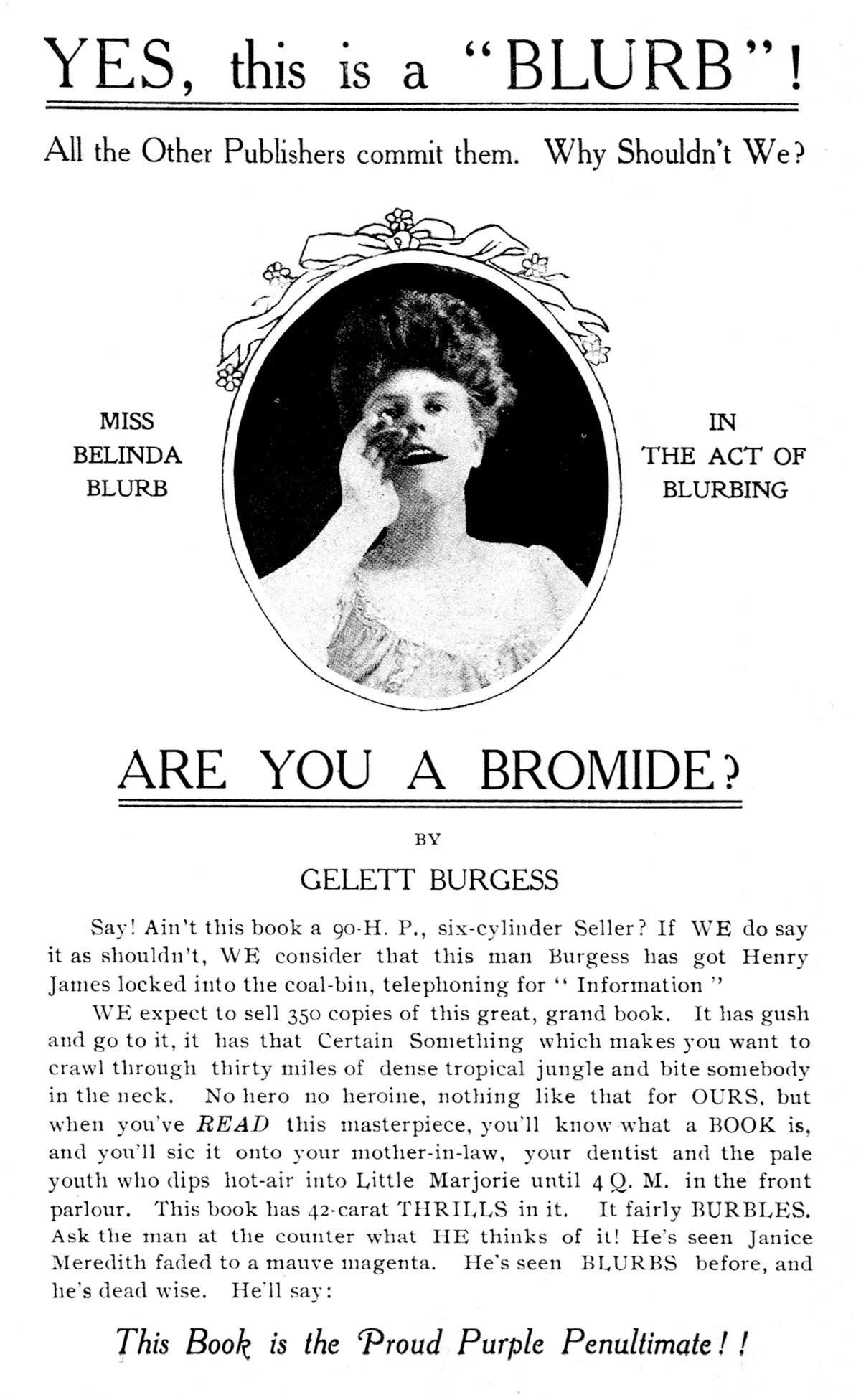
An early famous case set the mood. Walt Whitman had praise from Ralph Waldo Emerson stamped in gold on the spine of his poetry's second edition, a bold bit of borrowed glory. The word blurb itself was coined in 1906 by the American humorist Gelett Burgess. His short book appeared with a joking jacket, complete with an invented young woman named Belinda Blurb, shown in the act of blurbing. The silly name stuck to the practice, and the picture soon fell away while the text stayed.
The Ask, and the Toll
Big names drown in requests. One novelist reported receiving fifteen to twenty blurb requests a week and said he tackles as many as he can, per the same entry. Others have quit the custom on principle. The writer Neil Gaiman has said that now and again he stops doing blurbs, only to relent a year or two later out of guilt. Aspiring writers feel the squeeze too, since a famous name on the cover can move copies. The trade runs on goodwill, and goodwill runs out. This connects to our earlier piece, The Long March: Blood Meridian's Forty-Year Climb.
Logrolling, and a Publisher Blinks
Critics have long noticed friends praising friends. In the nineteen-eighties, the satirical magazine Spy ran a feature called Logrolling in Our Time, which exposed writers who wrote blurbs for one another's books. The habit even gained a name: logrolling. Readers following this should also see The Manufactured Star: How Trade Reviews Decide Which Books Get Noticed.
The mood may be shifting at the top. In 2025, Simon & Schuster announced it would not expect authors to solicit blurbs for their books. The publisher argued that the requesting of blurbs often rewards connections over talent and exacts too much time from authors. That is a rare public admission of what readers suspect. Jacket praise can measure friendship as much as merit.
How to Read Praise Like an Editor
You need not distrust every jacket. A few habits will do. Ask who is praising, and whether the same circle of names turns up together. Check whether a quote praises this book or an author's earlier fame. Watch for words lifted from mixed reviews, a trick film ads have long been faulted for, since movie blurbs are positive extracts too often taken out of context. None of this makes praise worthless. A blurb from a writer you love still tells you something real about taste, influence, and who stands where. Then weigh the whole page for what it is: advertising with famous handwriting.
Conclusion: Read the Jacket, Then the Book
The blurb economy runs on favors, fame, and favors repaid. It matters because it steers what we pick up in the first place. But the last word belongs to the reader. Let the jacket start the conversation, and let the first chapter finish it.