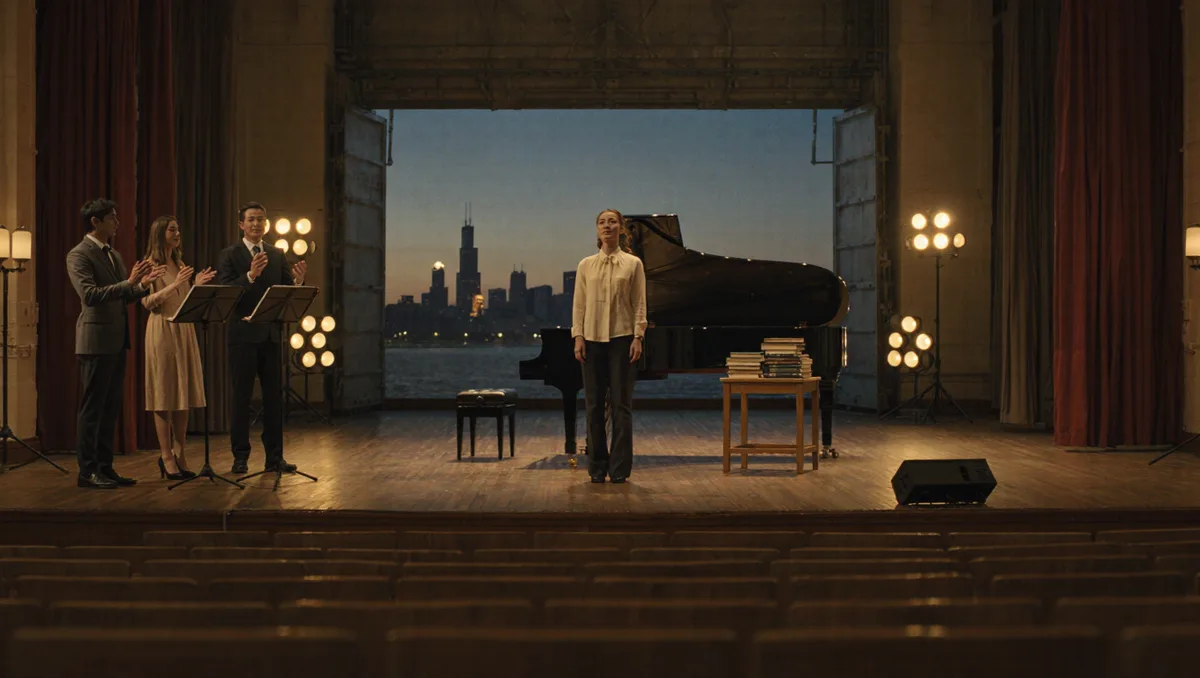
Partita on Stage: What Barbara Kingsolver's Chicago Humanities Festival Talk Told Readers About Her New Novel
A solo hour with a pianist, a Congo childhood, and a novel built like a piece of music — the context behind Kingsolver's latest book event.
A solo hour with a pianist, a Congo childhood, and a novel built like a piece of music — the context behind Kingsolver's latest book event.
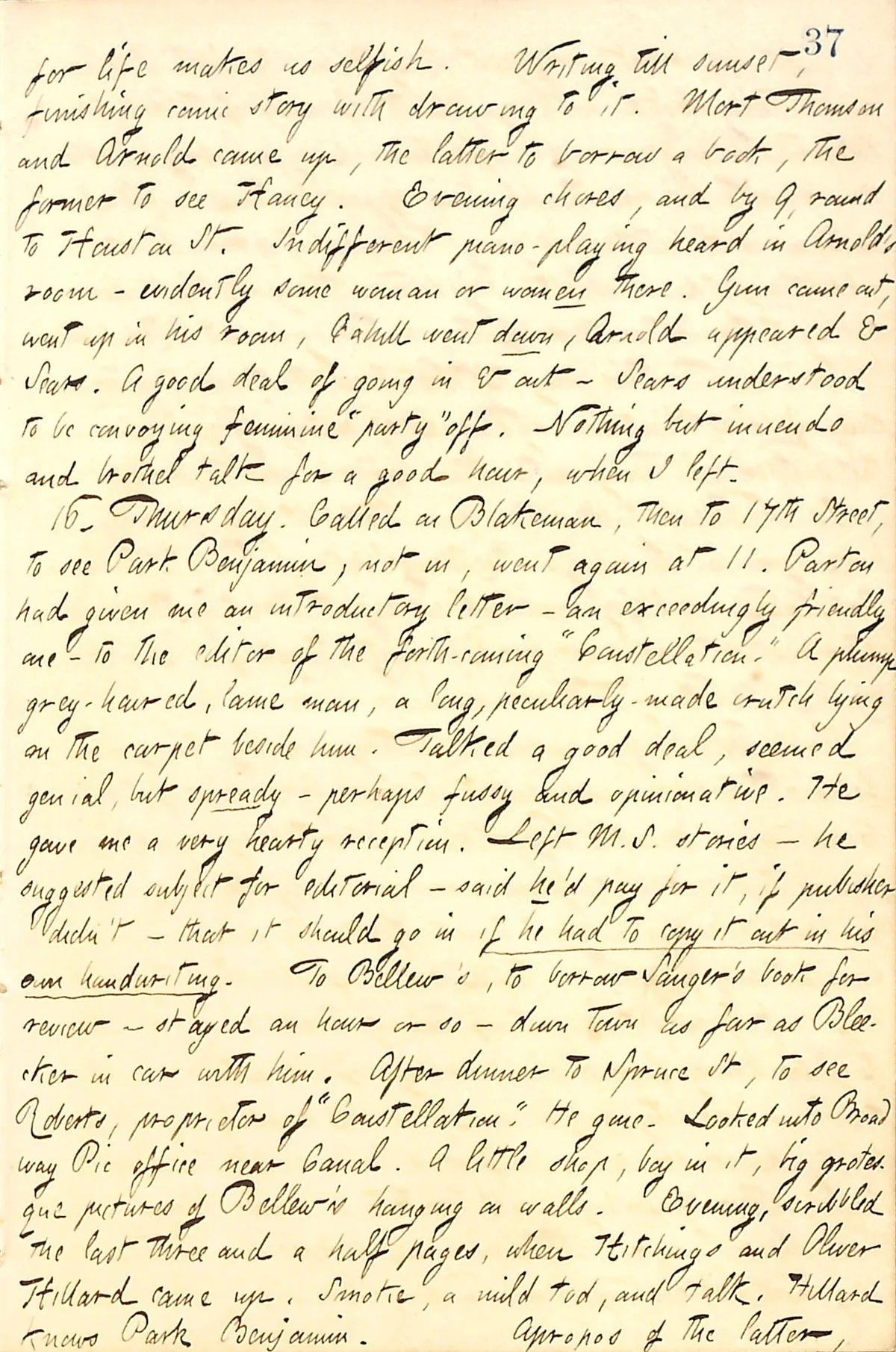
A DNF review can be the most honest criticism you write. It can also be the laziest. Here is how to tell the difference.
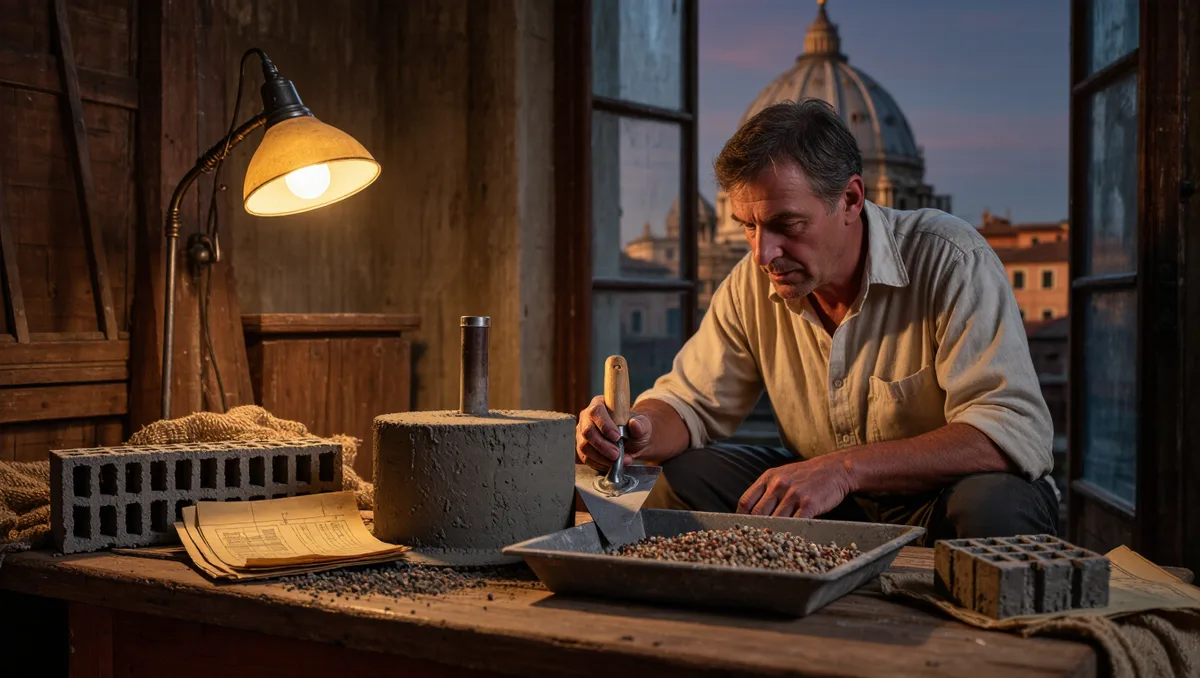
From Roman domes to modern skylines, the story of concrete is really a story about who gets to build, and what lasts.
Narration is not packaging. It is a second authorship, and it deserves its own critical standards.
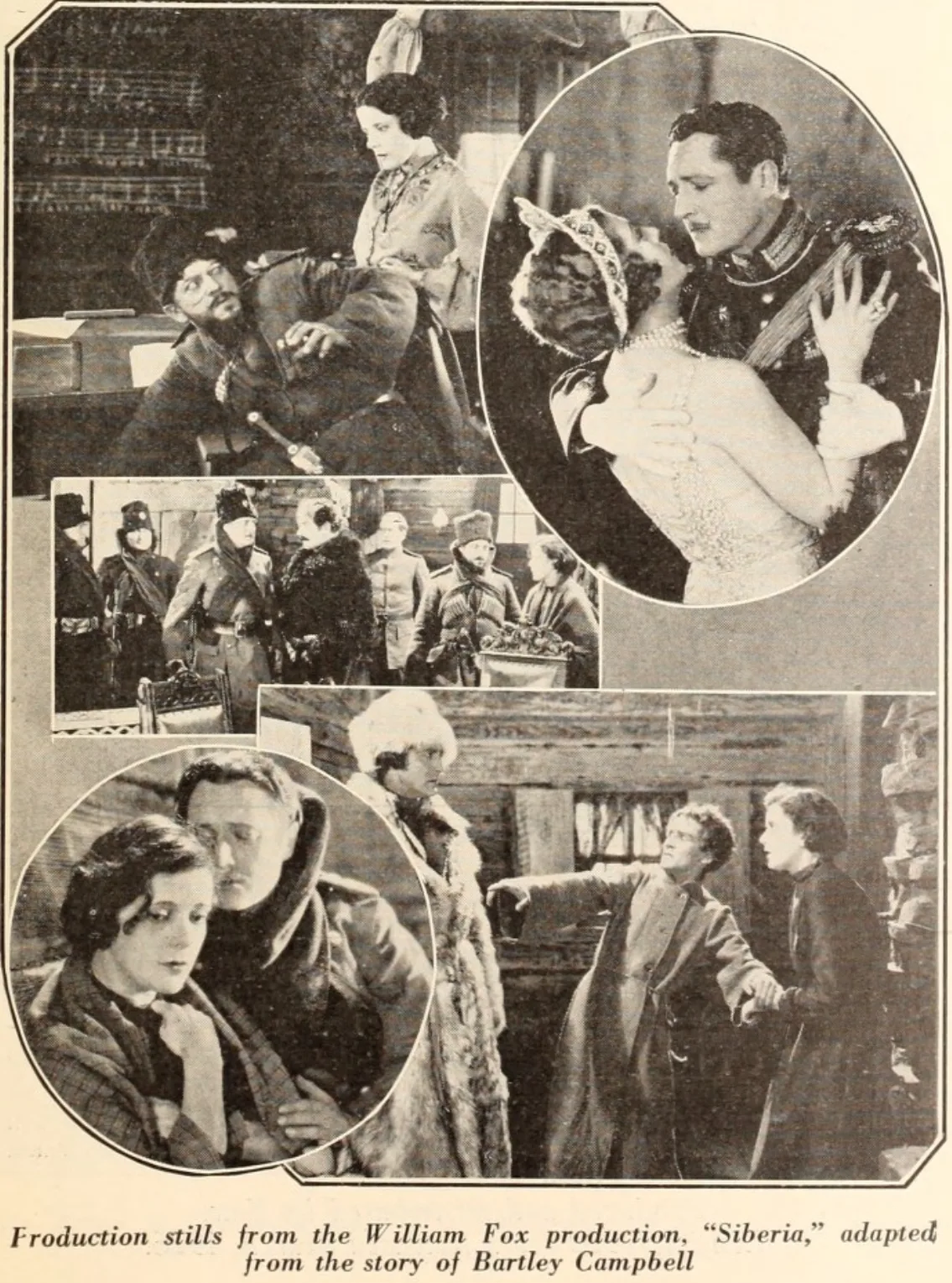
Seventy scholars just spent three days at Elon University arguing about how books become films. Here is what their panels show a reader can do with that argument.
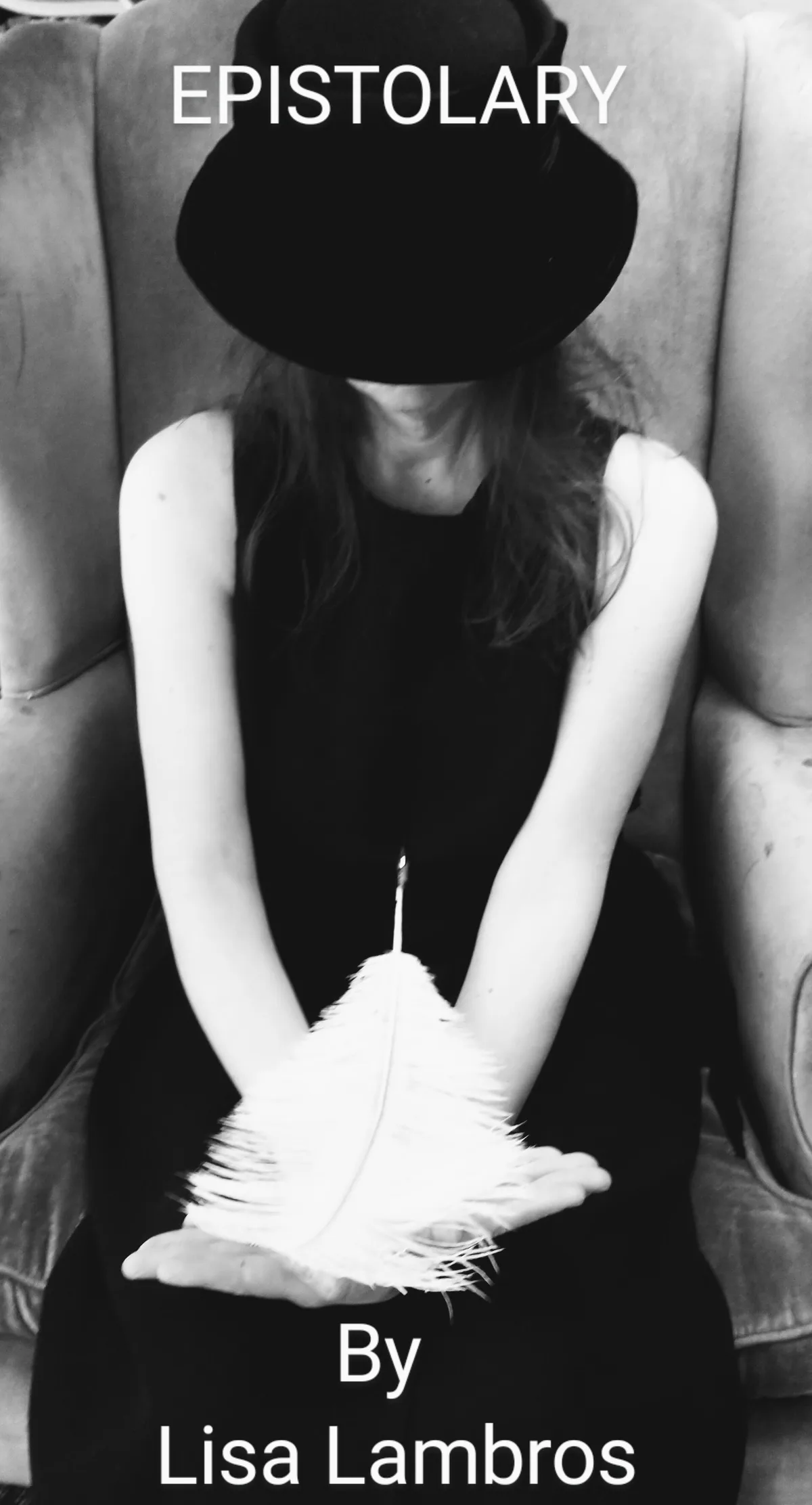
Novels told in letters still feel shockingly close. How the epistolary novel grew, the tricks that sell the illusion, and why the lies inside the mail hook readers.

A debut reading in Fountain Hills is a small event with a long history — and a useful case study in how new books find their first readers.
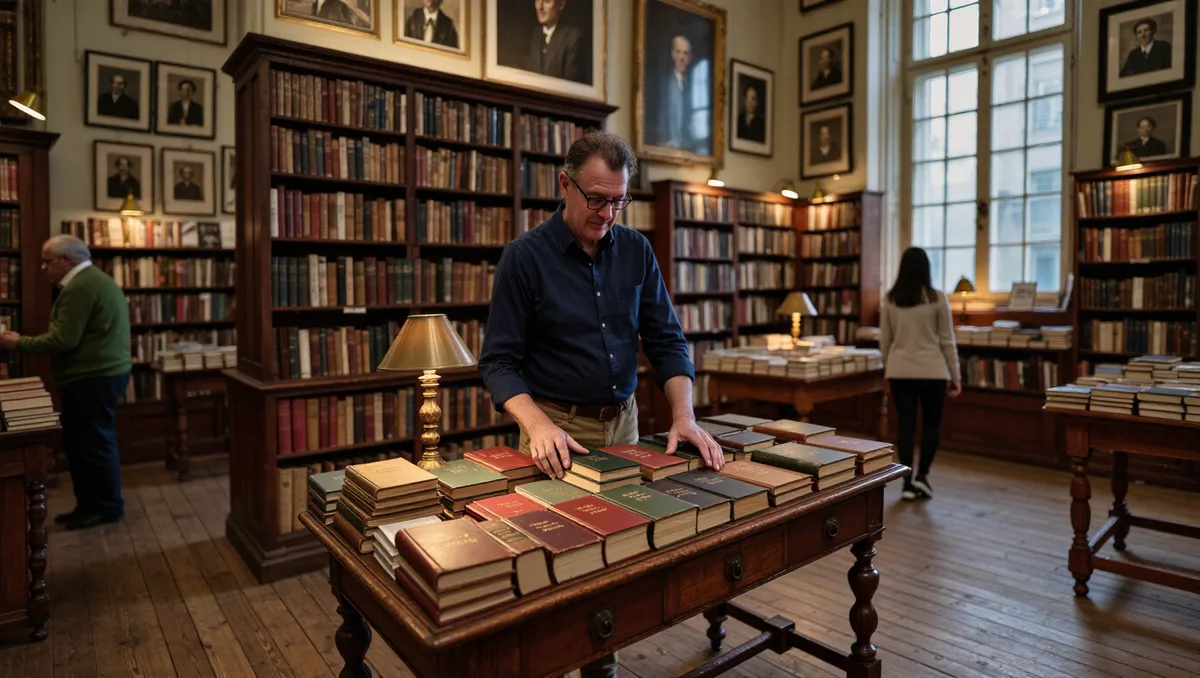
What fiction and poetry do for empathy and attention that feeds and algorithms cannot.
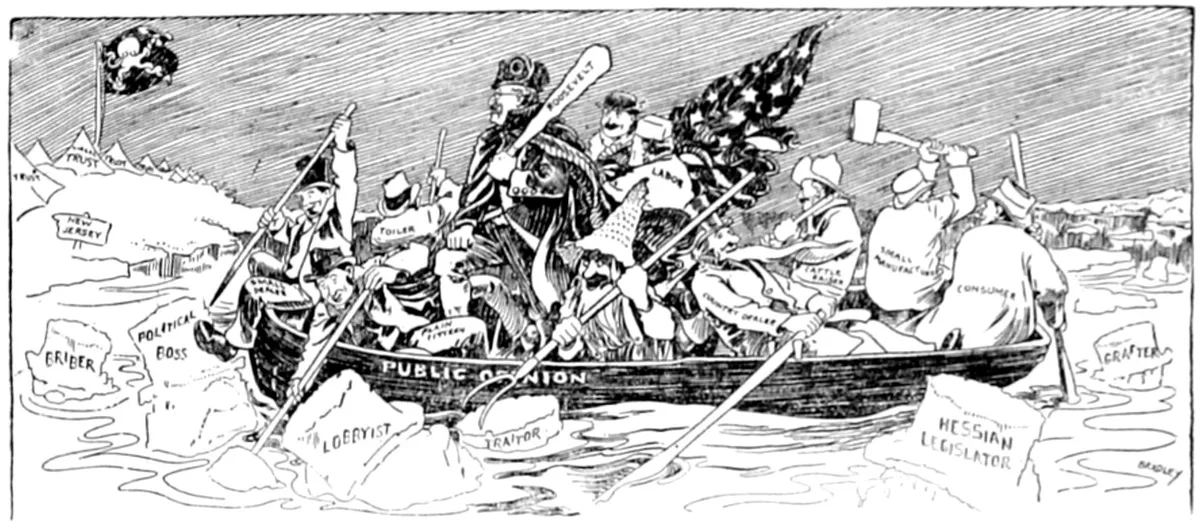
The saying feels true because some patterns really do recur. The trick is telling recurrence from rhyme, and rhyme from a story we want to hear.
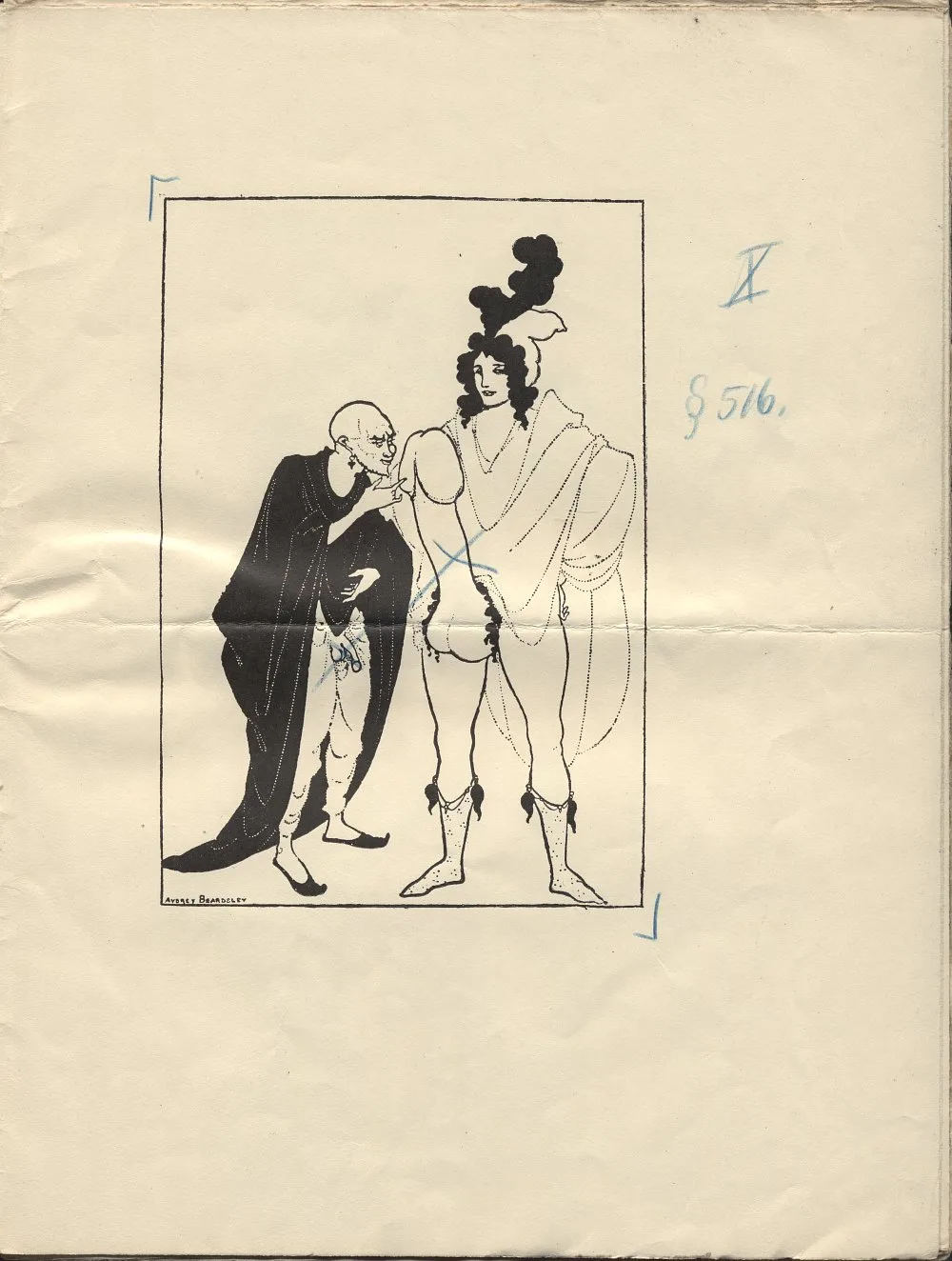
Bans left marks on the books we collect. How censorship shaped what was printed, why banning a book made readers want it more, and what old editions reveal.
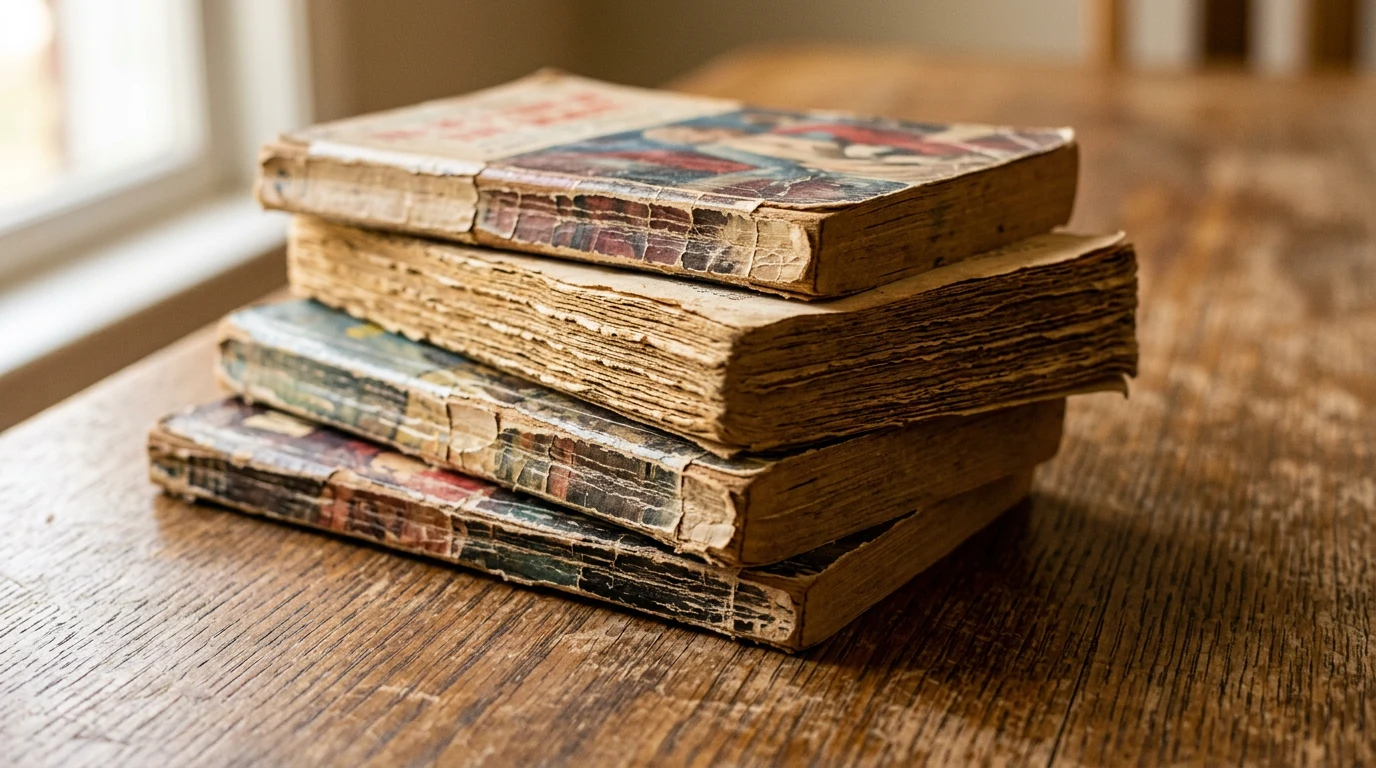
The 25-cent book did not arrive by accident. It took a failed subscription club, a wartime logistics program, a contractual loophole, and one underpaid editorial assistant to build the format now taken for granted.
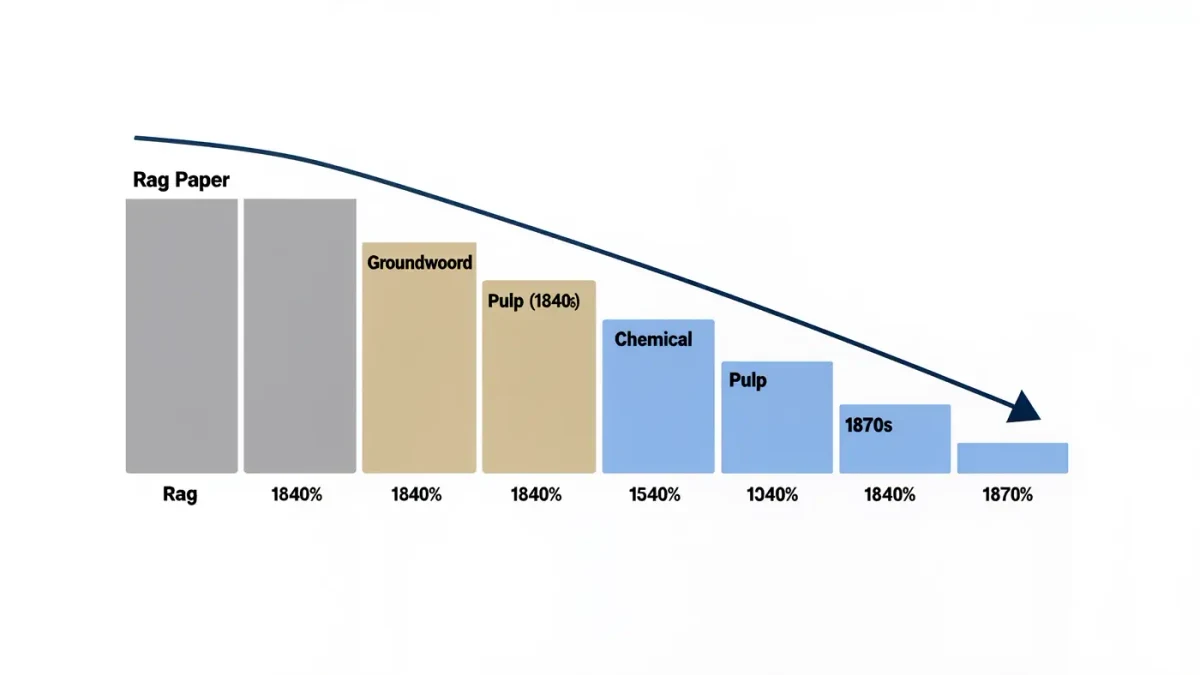
Cheap paper arrived when wood pulp replaced rags in the 1840s — decades before cheap books — and rebuilt newspapers, magazines and popular fiction around volume.
Composition, light, and iconography, explained step by step, so your next gallery visit becomes close reading instead of a quick walk past.
Durability, resale, focus, and retention are the four places where the formats genuinely differ — and the differences are practical, not romantic.
The quotes on a book jacket are a small economy of favors. Who writes blurbs, what the ask costs famous writers, and how to read praise with an editor's eye.
The library's 2026 program drew 2,805 readers and 3.4 million logged minutes. The numbers are real; what they measure is worth a closer read.
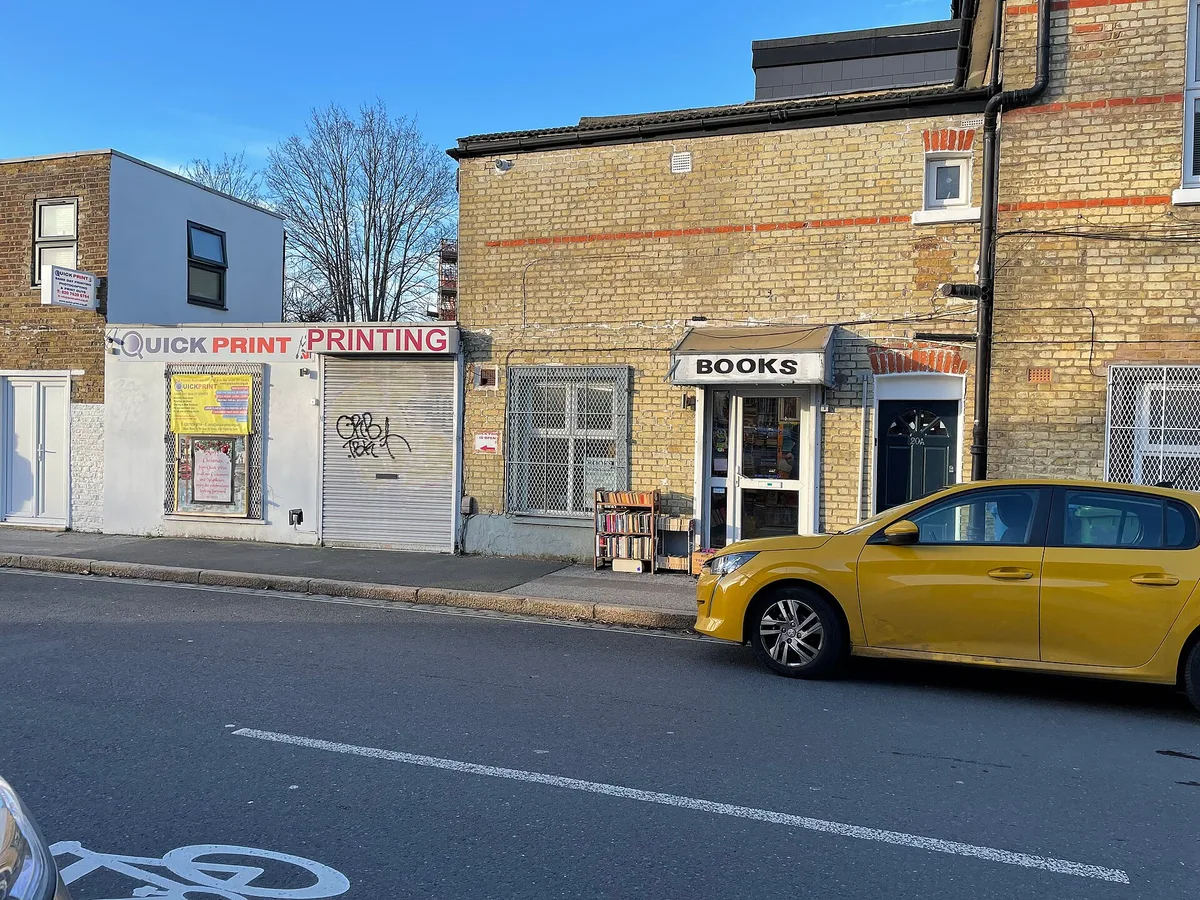
A free party at a brewery on Oct. 8 doubles as a fundraiser for the American Library Association's anti-censorship campaign — and a small bookstore's bid to matter locally.
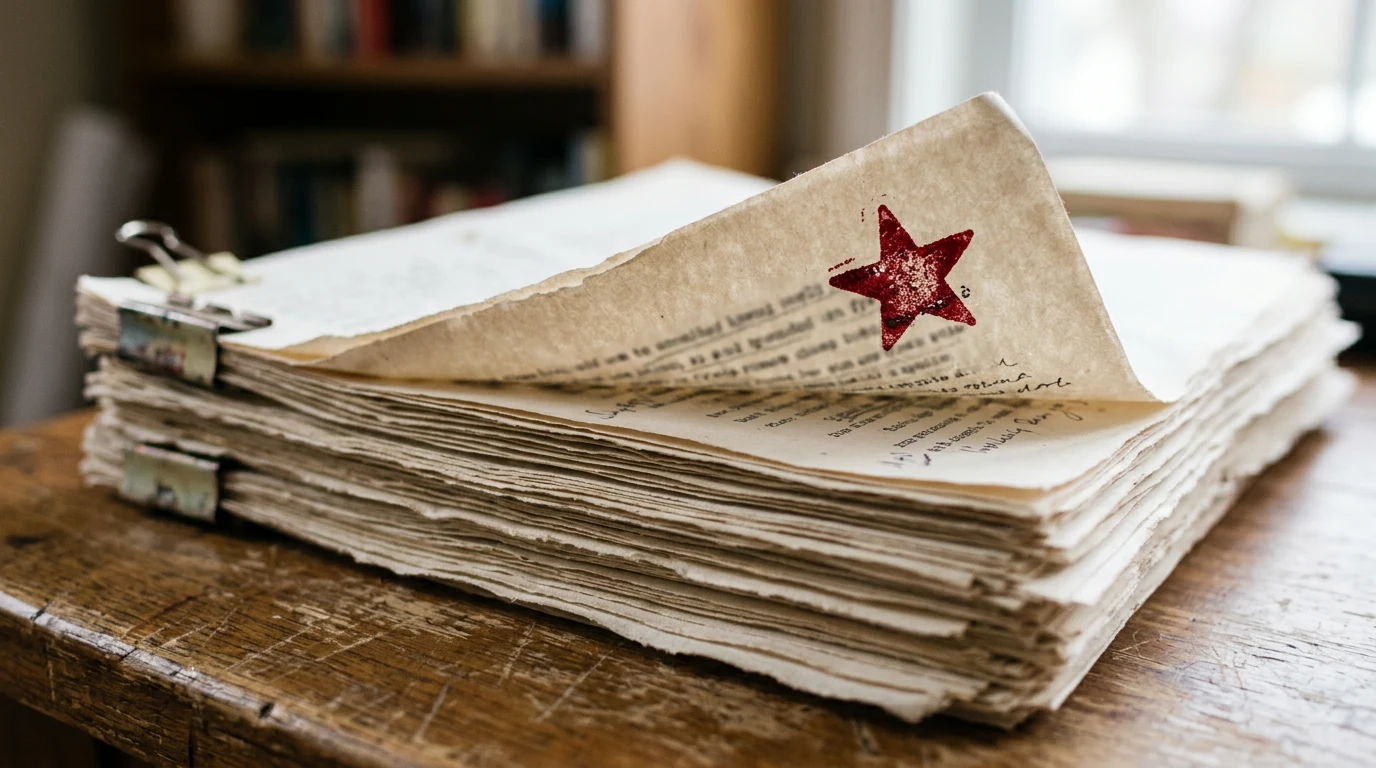
Before a single reader opens it, a book's fate is set by an anonymous trade apparatus of galleys, deadlines, and undisclosed rubrics — and the star on the jacket is a passport, not a verdict.
Constance Garnett, David McDuff, Pevear & Volokhonsky, and Oliver Ready make four different novels out of Crime and Punishment; a practical guide to choosing among them.

Virginia Woolf's A Room of One's Own (1929) argues a room into being; a rereading of the essay as the century's most complete work of literary criticism.
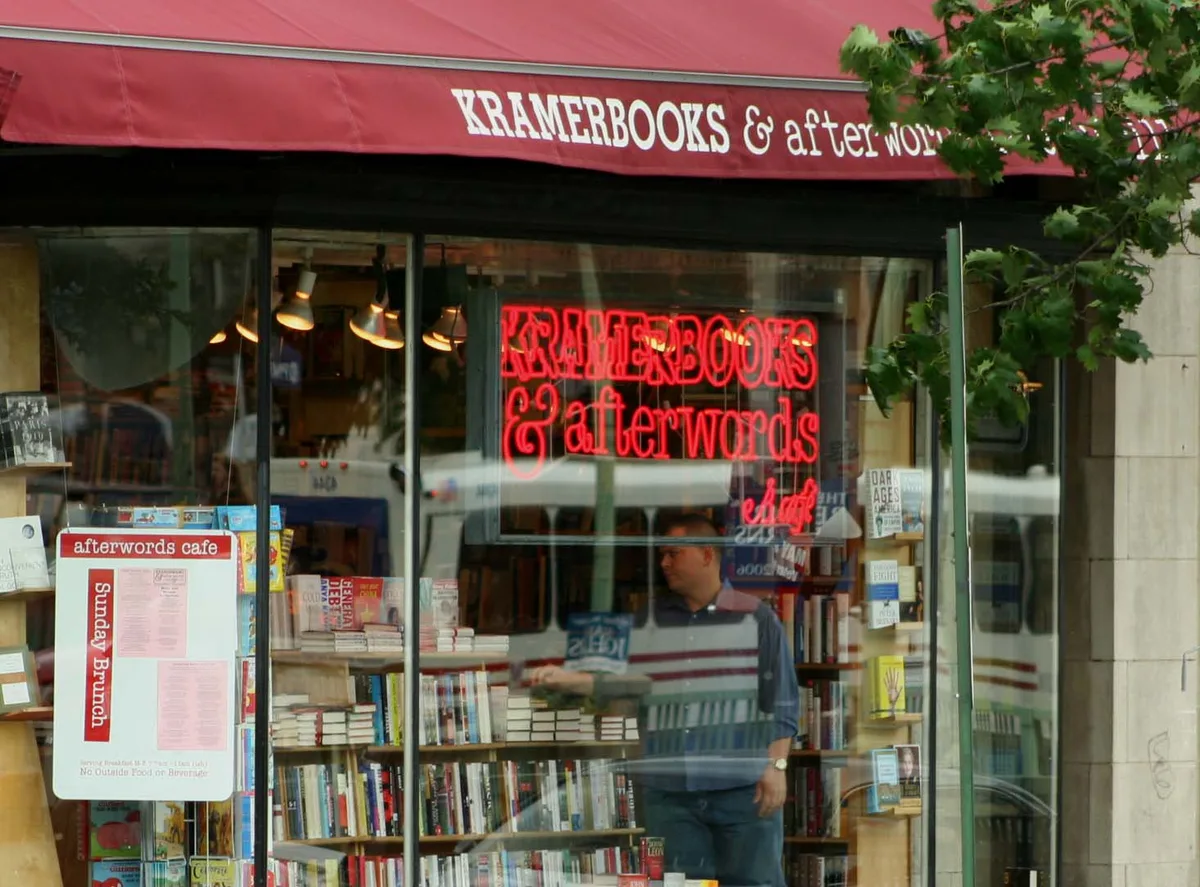
A literary agent is the gatekeeper, negotiator, and career advocate between a writer and a publisher. What the job involves, how agents are paid, and why the role matters.
The Huckleberry Finn retelling, already the 2024 National Book Award winner, took the Pulitzer on May 5, 2025.
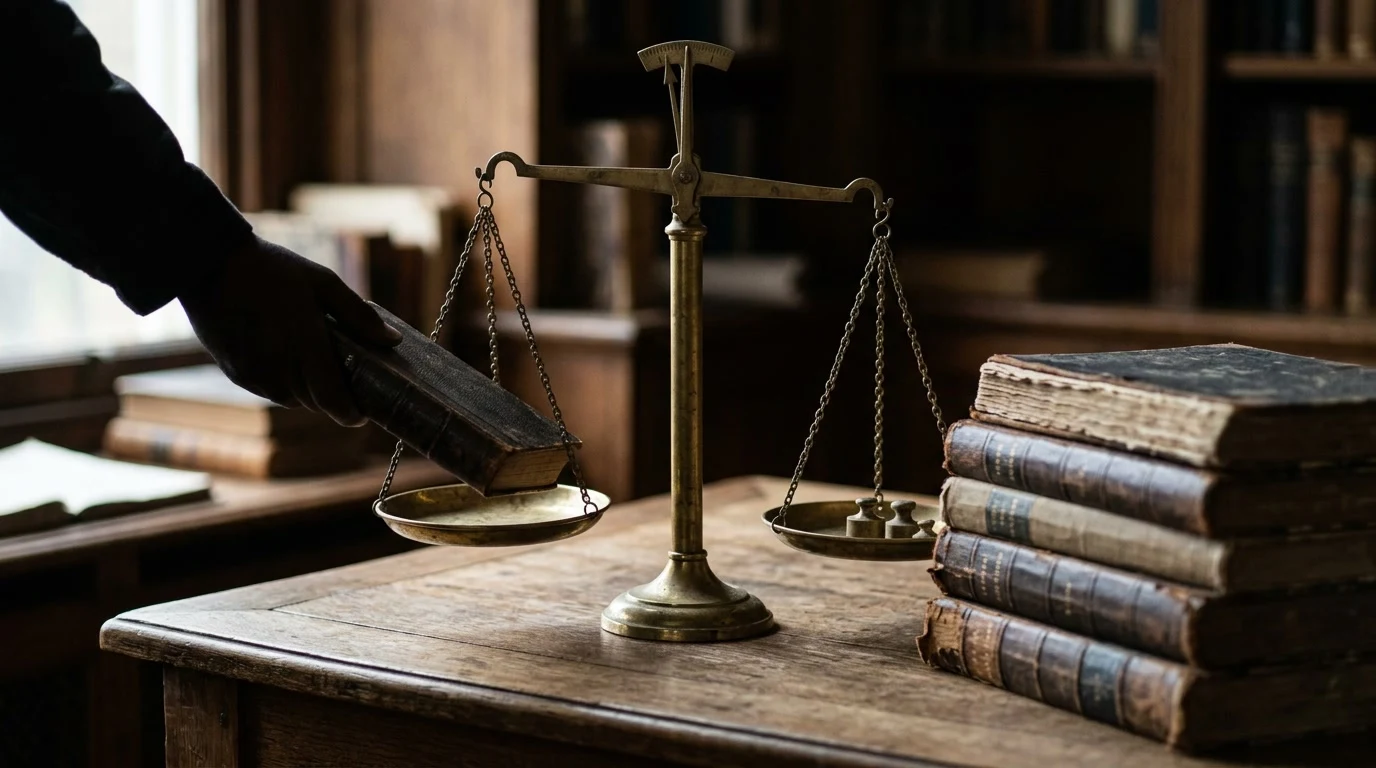
The list is not a sales chart but an editorial verdict, defended by a secret survey of reporting stores, a dagger for suspected bulk buying, and a century of authors testing where the discretion ends.
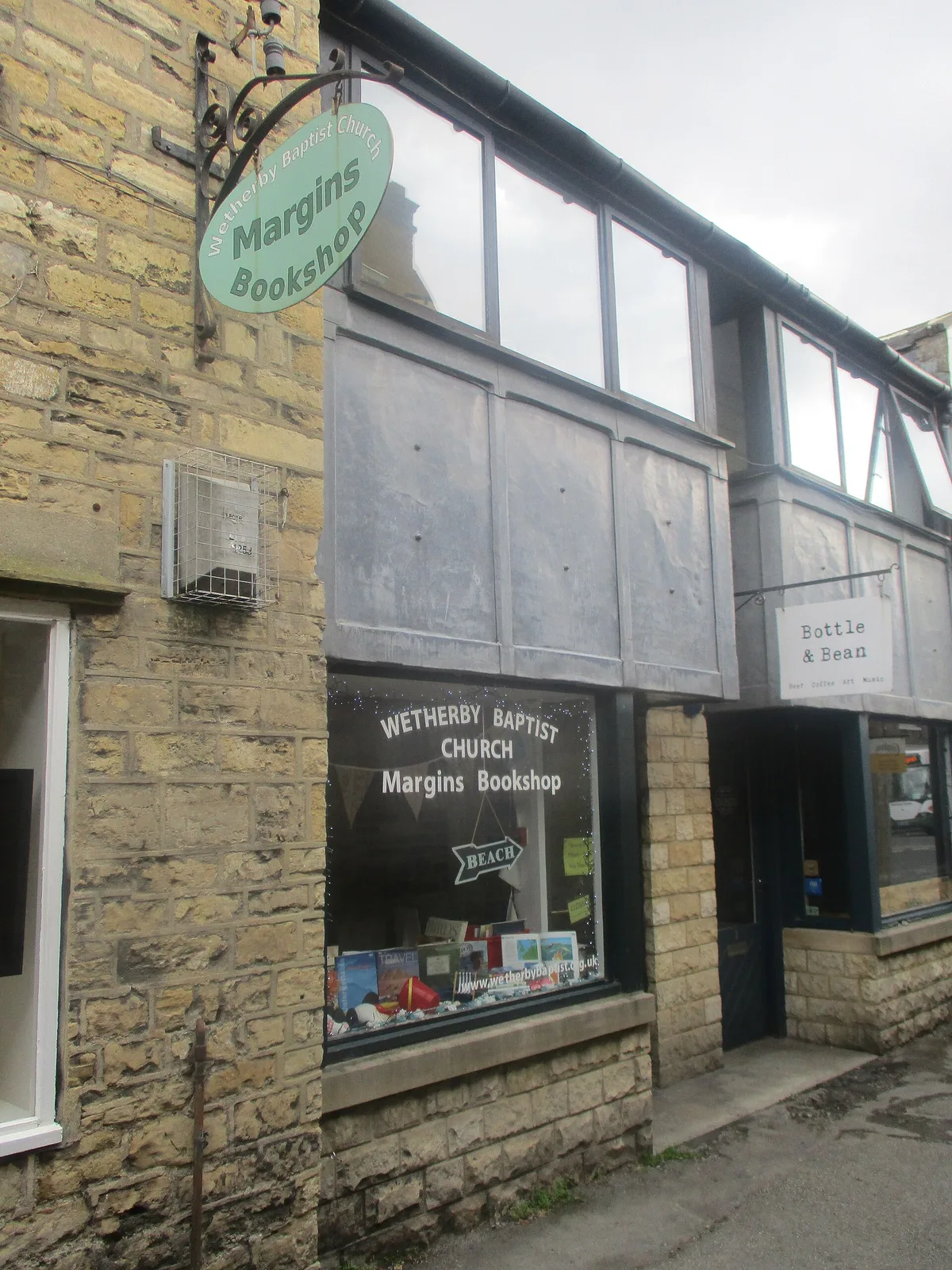
Bookshops sit at the end of the publishing chain, trading in a product that is heavy, fragile, and slow to sell. How bookshop margins actually work, from discounts to shelf space.
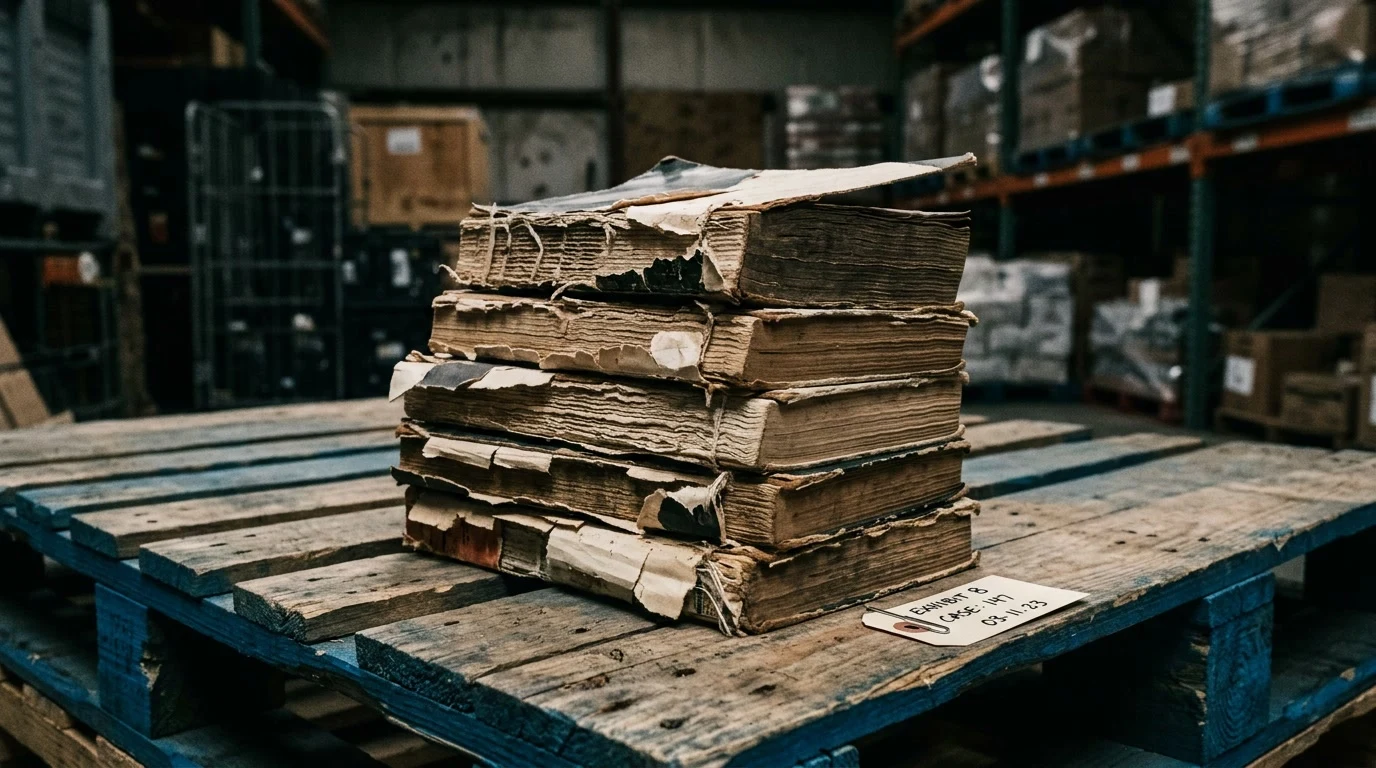
The consignment system that lets bookstores return unsold copies for full credit dates to the Great Depression, and it still quietly governs which titles get a real chance and which get pulped.
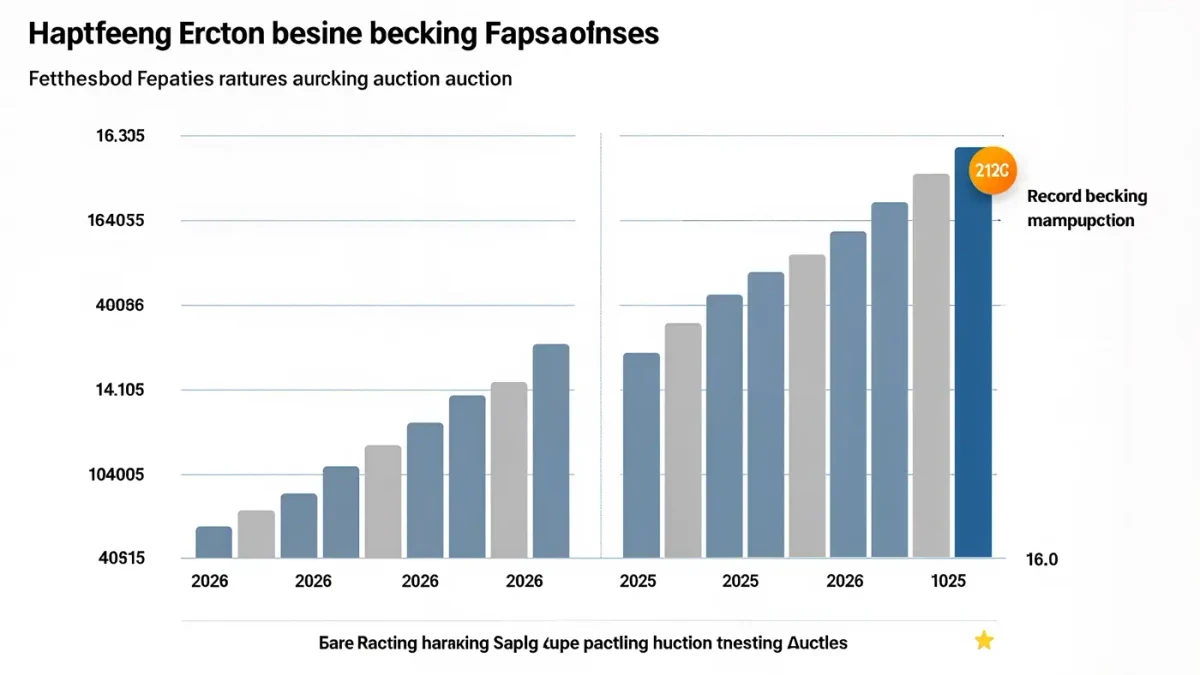
The rare book market rebounded in the first half of 2026 as Sotheby's auctions rose 59 percent and illuminated manuscripts led the June sales.
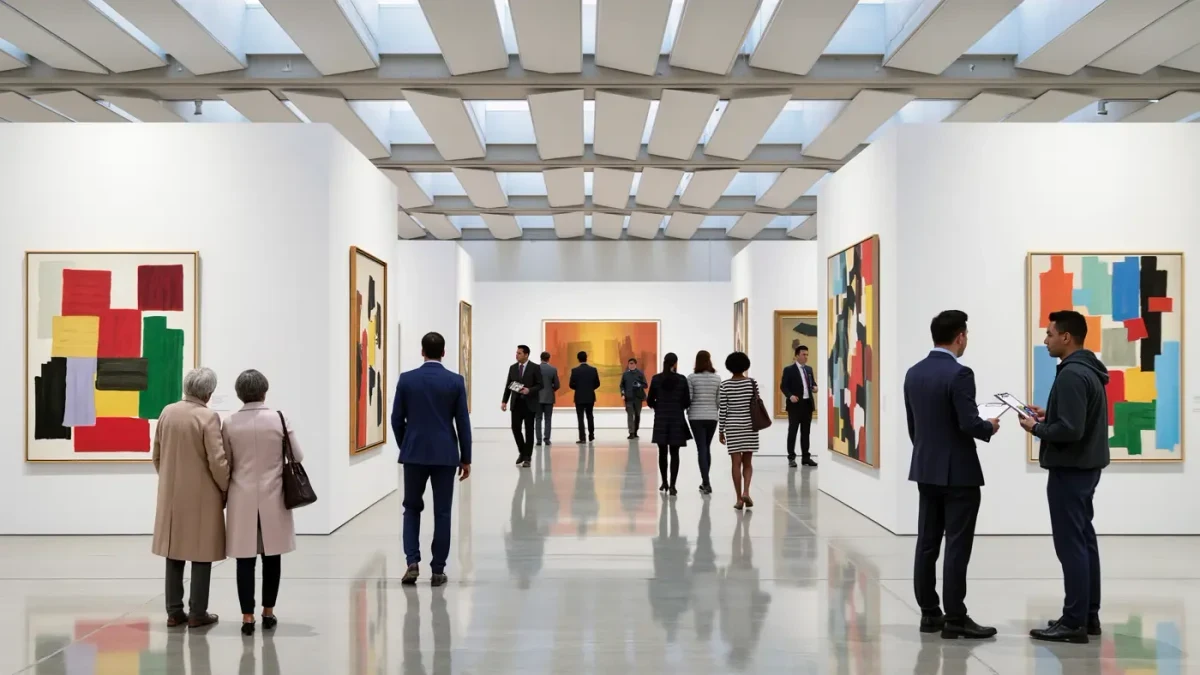
Art Basel 2026 closed in Basel, Switzerland on June 21, 2026 with 290 galleries from 43 countries and an official summary of strong sales and global engagement.