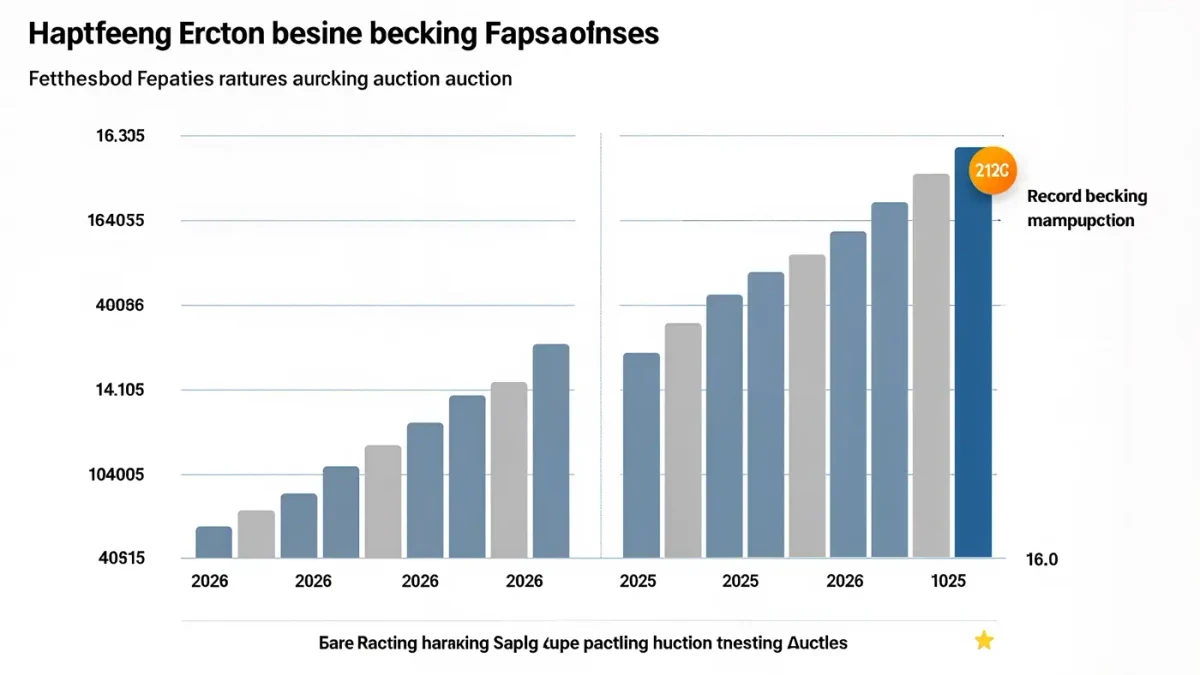
The rare book market rebounded sharply in the first half of 2026. Per The Art Newspaper, July 2026, Sotheby's public auctions totaled $3.4 billion in the period, up 59 percent over 2025, with a sell-through rate of 90 percent by lot — numbers that moved a quiet collecting field to the center of the season's market reporting.
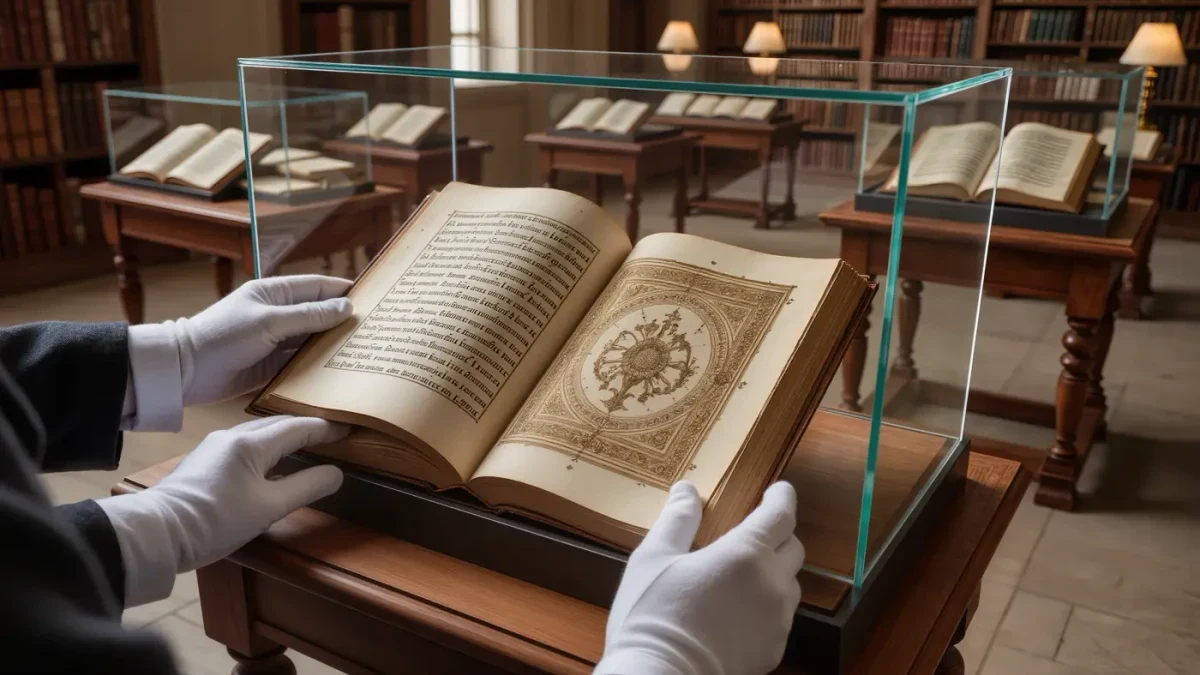
The headline lot wrote itself. A newly rediscovered illuminated Hebrew manuscript sold at Sotheby's for $6.4 million, a result the house described as "one of the strongest results ever achieved for an illuminated Hebrew manuscript," per Sotheby's, June 2026. Rediscovery, rarity and price aligned in a single object — the collector's ideal sentence.
The June sales carried the rebound. At Sotheby's Fine Books and Manuscripts sale in New York on June 26, the top lot reached $13,697,500, per Sotheby's. Christie's answered with a dedicated sale of illuminated manuscripts and early printed books totaling $12.4 million, per Christie's, June 2026. Together the two houses' June results sketched the market's center of gravity in early material — illumination and the first printed books.
Related stories: First Light: Illuminated Manuscripts · Art Basel 2026 Closes Strong.
The calendar consolidated around the strength. Sotheby's Book Week ran through June and July 2026, concentrating fine books and manuscripts sales into a single buying window, while Rare Book Hub tracked the aggregate results, per Rare Book Hub, 2026. Market desks at Bloomberg and The Associated Press read the book numbers against the wider auction sector's recovery.
Why it matters: manuscripts and early printing are the market's scholarship-bearing assets, and a 59 percent rise at Sotheby's with 90 percent sell-through suggests institutions and private collectors are repricing the written past. For libraries, dealers and readers who assumed the book object had finished appreciating, the first half of 2026 is the counterargument.